

Heavy Legs, Tightness, Low Energy? Why Gentle Movement Is Often the Best Place to Start
If your legs feel heavy, touch feels uncomfortable, or movement tires you out faster than it used to, the mental barrier to exercise can feel especially high. Many people know this exact feeling: you want to be more active — but your body just doesn't feel up for it.
The good news: you don't need to start with an intense workout. Gentle, consistent movement is often the better starting point. It can help you feel more comfortable in your body, activate your muscles, and gradually build up resilience — one step at a time.
The Short Answer
Gentle movement is often a sensible way to start when heavy legs, tightness, or uncertainty about exercise are holding you back. Low-impact activities, moderate strength training, and regular everyday movement can help support overall well-being and build more stability in the body.
For conditions like lipedema, it's important to be clear: movement can help support the body, but it doesn't cure the condition. Health organizations note that exercise and physical activity are important parts of an active lifestyle and can positively influence symptoms — without eliminating the underlying condition itself, according to the Cleveland Clinic and the Lipedema Foundation.
Why Movement Can Feel So Hard When Your Legs Feel Heavy

Can Movement Actually Help With Heavy Legs or Lipedema?
Yes — in a supportive way. But let's be clear and realistic about it.
Movement can:
• help activate the muscles
• support overall well-being
• promote mobility
• help build routine and body confidence
For lipedema specifically, health sources note that aerobic exercise, stretching, and moderate strength training may have a positive effect on symptoms. Movement and exercise are considered an important part of actively managing the condition, according to patient advocacy organizations such as the Lipedema Foundation and Fat Disorders Resource Society.
What Movement Cannot Do
Movement is not a cure for lipedema. Reputable health sources are clear about this. That's exactly why it's important to set realistic expectations:
• movement can offer support
• it can positively influence everyday symptoms
• it does not replace a medical diagnosis or treatment
Which Types of Movement Are Often a Good Starting Point
Not every body responds the same way. Still, certain forms of exercise tend to be well tolerated by many people.
1. Walking or Brisk Walking
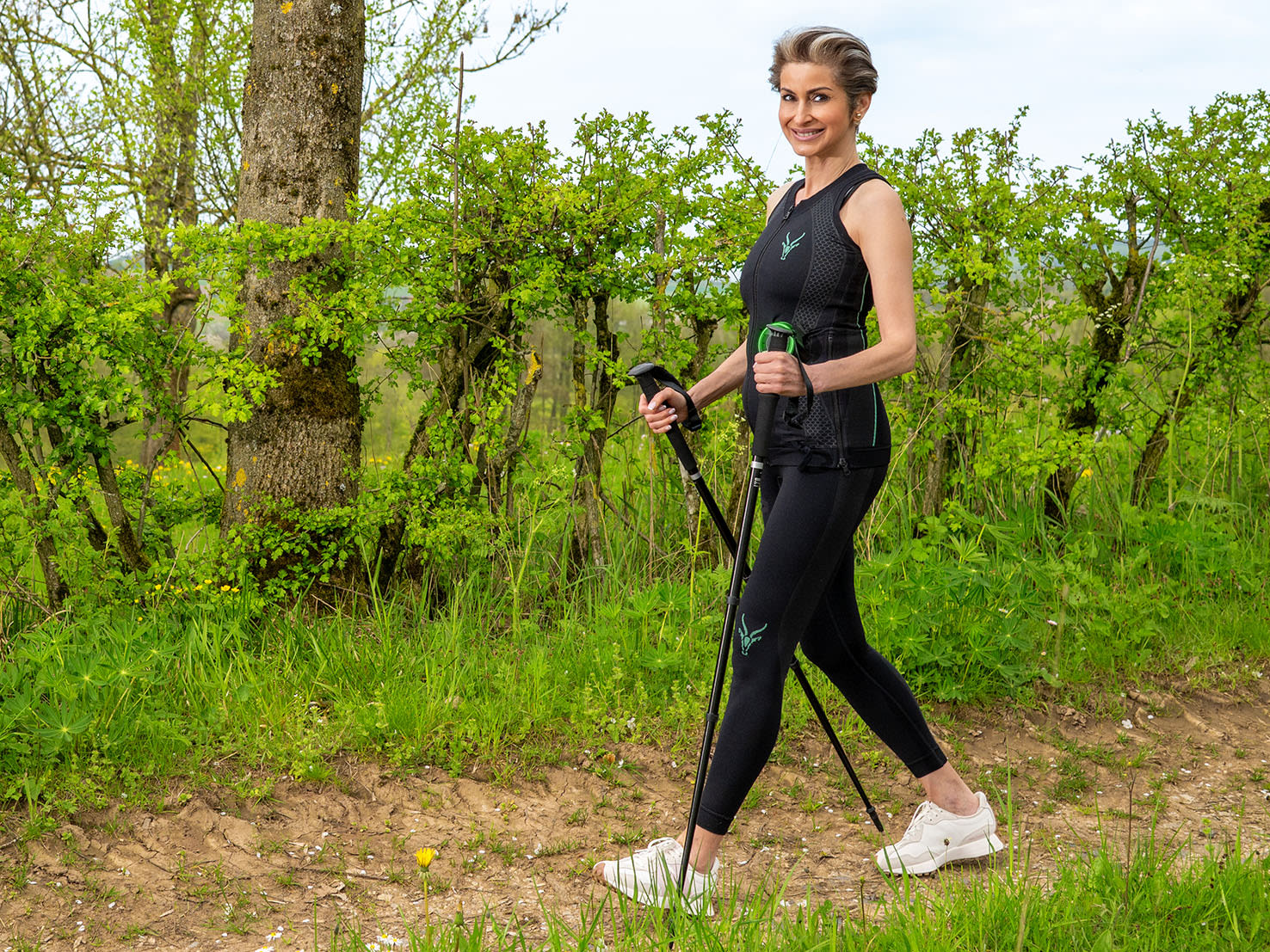
The low-barrier classic. Walking is often easier to start than a structured workout and fits easily into daily life.
2. Cycling or Indoor Cycling
3. Swimming or Water-Based Movement
4. Moderate Strength Training
5. Stretching and Gentle Mobility Work
Why "Start Gentle" Often Beats "Finally Go All In"
Many people start too ambitiously — and stop again within a few days. If you're already dealing with discomfort, uncertainty, or low energy, a smaller starting point is usually more sustainable.
Better approach:
• 10–15 minutes instead of 60
• 3 realistic sessions instead of 1 "perfect" plan
• light activation instead of complete overload
• routine instead of an all-or-nothing restart
The most important question isn't: "What would be the most effective workout?"
It's: "What kind of movement can I actually do consistently?"
What Can Also Help During Training: Comfort, Support, and Body Confidence

5 Practical Tips to Help You Get Started
1. Start Smaller Than You Think You Need To
10 minutes is plenty to begin with.
2. Anchor Movement to Existing Habits
For example:
• right after waking up
• after work
• before your shower
• right after a walk
3. Pay Attention to Tolerable Intensity
Not every workout needs to leave you completely exhausted.
4. Listen to Your Body
Especially with pressure pain, swelling, or unclear symptoms: it's better to start gradually and check in with a doctor if you're unsure.
5. Think in Weeks, Not Days
A single session won't change much. Consistency will.
Who This Approach Can Be Especially Helpful For
Gentle movement is often a good starting point for people who:
• feel weighed down by heavy legs or a sense of tightness
• want to start again after a longer break
• are sensitive to high-intensity exercise
• prefer to work out at home
• have limited energy or time
• want more stability and body confidence
FAQ: Common Questions About Heavy Legs, Tightness, and Movement
What helps most with heavy legs?
Is exercise a good idea for people with lipedema?
What types of exercise work well for sensitive legs?
Should I train through pain?
Can good leggings really make a difference?
Conclusion
When movement feels hard right now, gentle is often better than intense.
Heavy legs, tightness, or uncertainty don't mean training isn't for you. Often, a calm, manageable starting point is exactly the right way back into more activity.
If you want your training setup to feel comfortable, supportive, and easy to fit into daily life, a product like the Antelope EMS High Waisted Leggings can be a meaningful addition — not as a medical solution, but as support for an easier start into movement.
Sources / Further Reading
• Cleveland Clinic: Lipedema — clevelandclinic.org
• Lipedema Foundation: Exercise and Lipedema — lipedema.org
• Fat Disorders Resource Society: Living with Lipedema — Movement and Self-Care — fatdisorders.org
• NHS (UK, alternative for British audiences): Lipoedema — nhs.uk


